
Turning Today’s Waste Into Tomorrow’s Resources
NEA Licensed
bizSAFE, ISO 9001, ISO 14001, OHSAS 18001 CERTIFIED
Treatment Facilities and Fleet at Mencast Offshore & Marine
(Click to reveal more info)
List of Toxic Industrial Waste We Handle
- Nitric acid
- Sulphuric acid
- Phosphoric acid
- Hydrochloric acid
- Spent Calcium Hydroxide
- Spent sodium hydroxide (NaOH)
- Spent potassium hydroxide (KOH)
- Nickel catalyst
- Cobalt catalyst
- Molybdenum catalyst
- Equilibrium Catalyst (Aluminium Silicate)
- Plating effluents and residues containing Chromium/Copper/Nickel/Silver/Tin
- Slop oil
- Spent clay
- Ballast water
- Scrubber water
- Refractory waste
- Spent blasting grit
- Tanker sludge/oil sludge
- Spent oil water emulsion
- Oily water from oil interceptors
- Contaminated insulation / rockwool
- Biological sludge / activated sludge
- Oil sludge (From inland storage tank)
- Wastewater contaminated with chemicals
- Metal hydroxide sludges and oxide sludges
- Oily water from cleaning inland storage tank
- Soil Contaminated with Benzene & Hydrocarbons
- Nitric acid
- Sulphuric acid
- Phosphoric acid
- Hydrochloric acid
- Spent Calcium Hydroxide
- Spent sodium hydroxide (NaOH)
- Spent potassium hydroxide (KOH)
- Cobalt catalyst
- Nickel catalyst
- Molybdenum catalyst
- Equilibrium Catalyst (Aluminium Silicate)
- Plating effluents and residues containing Chromium
- Plating effluents and residues containing Copper
- Plating effluents and residues containing Nickel
- Plating effluents and residues containing Silver
- Plating effluents and residues containing Tin
- Slop oil
- Spent clay
- Ballast water
- Scrubber water
- Refractory waste
- Spent blasting grit
- Tanker sludge/oil sludge
- Spent oil water emulsion
- Oily water from oil interceptors
- Contaminated insulation / rockwool
- Biological sludge / activated sludge
- Oil sludge (From inland storage tank)
- Wastewater contaminated with chemicals
- Metal hydroxide sludges and oxide sludges
- Oily water from cleaning inland storage tank
- Soil Contaminated with Benzene & Hydrocarbons
Before and After
Click each image to see before the facility treat and after
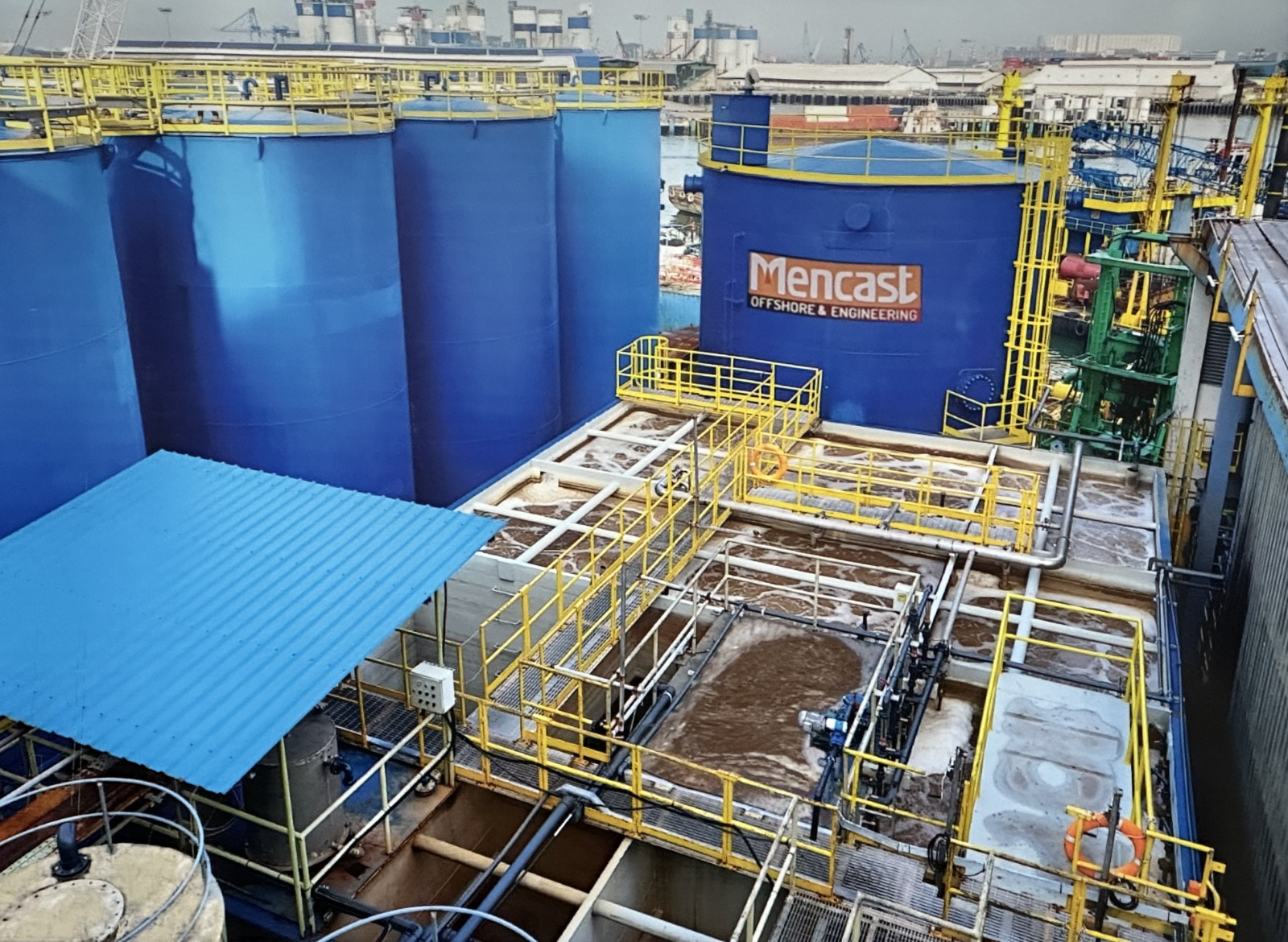
WWTP
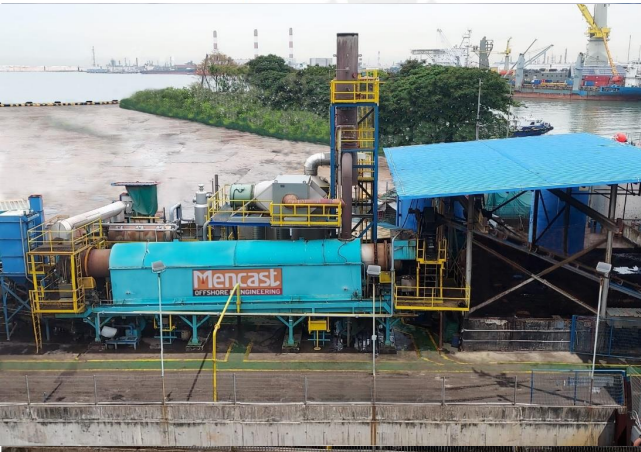
ATDU
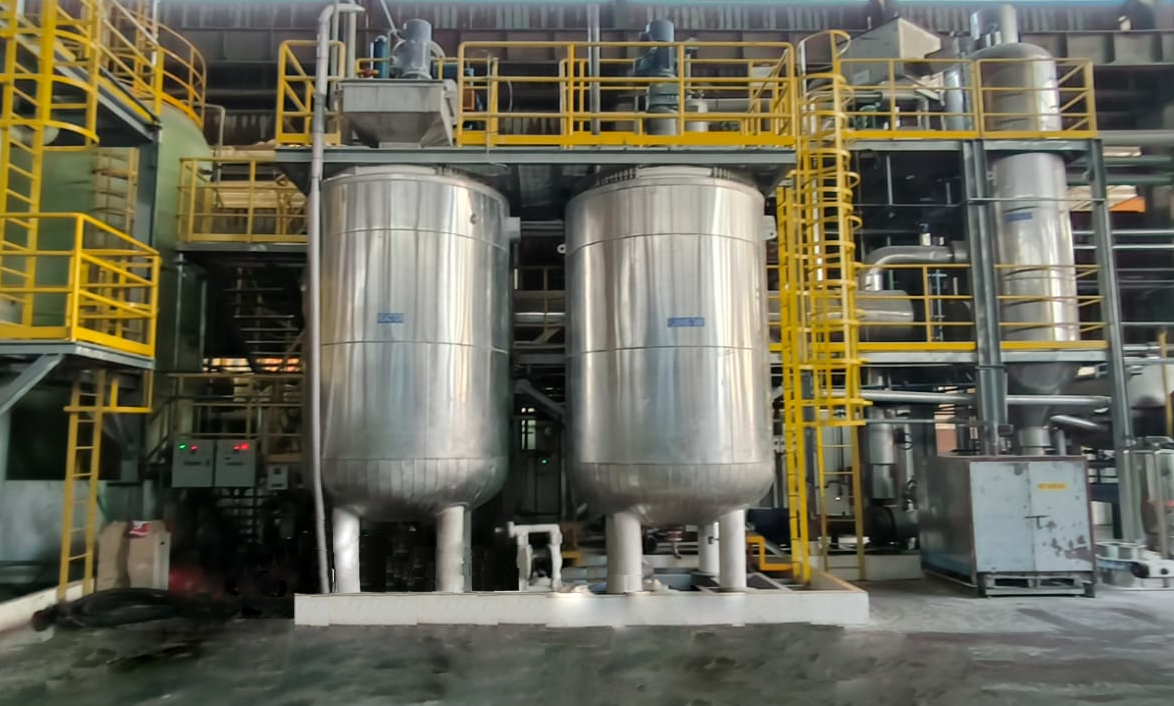
Fatty Acid
×